
Welcome to Hydra Comics! Here, we bring you the latest news, reviews, and insights into the world of comics and manga. From the classic heroes and villains of Marvel and DC Comics to the up-and-coming independent publishers, we cover it all. Our team of passionate comic book fans and industry experts provide quality information about comics and manga past present and future. Whether you’re a long-time fan or just getting started, our site is the perfect destination for anyone looking to dive into the world of comics. So come explore with us and discover the endless possibilities of this exciting and dynamic medium.
Why Brett Bean’s D’orc Is the Most Hilariously Unhinged Entry in High-Fantasy Comic Books
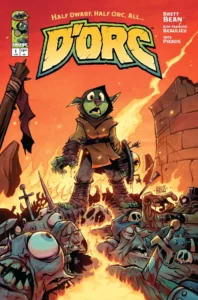
The realm of high-fantasy is usually defined by stoic elves, honorable knights, and grand prophecies destined to save the world. But what happens when the chosen one is a half-dwarf, half-orc orphan who just wants to be left alone—and the prophecy says he’s actually destined to end the world instead?
Enter D’orc, the wildly inventive indie hit written and illustrated by artist Brett Bean (celebrated for his work on I Hate Fairyland and Rocket Raccoon). Published by Image Comics, D’orc turns traditional tropes on their head, delivering one of the most refreshing fantasy comic books on shop shelves today.
The Premise: Half-Dwarf, Half-Orc, Total Chaos
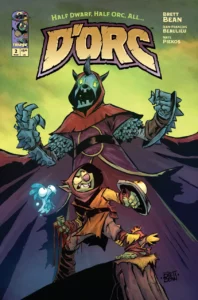
In the mythical realm of Sunderaine, an ancient text known as the Book of Certain Doom foretells the coming of an apocalyptic figure. That figure happens to be D’orc—a lonely hybrid outcast who possesses none of the majesty of fantasy lore and all of the bad luck.
Because virtually every faction, from righteous paladins to ferocious monster hordes, wants to execute him to prevent the end of times, D’orc is forced onto the run. Equipped with a bloodthirsty, eyeball-embedded sentient “Death Shield” that actively encourages ultra-violence, and accompanied by a headless chicken, D’orc’s quest is less about saving the realm and more about surviving the sheer ridiculousness of everyone trying to murder him.
Reimagining High-Fantasy with Irreverent Humor
While classic high-fantasy often takes itself deeply seriously, Brett Bean approaches the genre with the kinetic, slapstick energy of Saturday morning cartoons spliced with the splatter-gore of classic indie comics. Think Bone meets Monty Python by way of I Hate Fairyland.
Bean’s background in character design and animation shines through on every page. The world-building in D’orc feels expansive and vibrant, filled with bizarre creatures, expressive world geography, and over-the-top action sequences. Yet, beneath the chaotic comedy and gore lies a genuinely compelling narrative about identity, free will, and defying pre-written destiny.
Title: D’Orc
Creator / Writer / Artist: Brett Bean
Colorist: Jean-Francois Beaulieu
Genre: High-Fantasy / Dark Comedy / Action
Why D’orc Belongs on Your Pull List
If you are a fan of fantasy comic books that push creative boundaries and aren’t afraid to poke fun at traditional storytelling, D’orc is an absolute must-read. Brett Bean has crafted a universe that feels both visually stunning and delightfully unhinged—making D’orc one of the standout indie releases in recent memory.
Have you picked up D’orc yet? What’s your favorite subversion of the high-fantasy genre? Let us know in the comments below, and stay tuned to HydraComics.com for more comic reviews, creator breakdowns, and indie spotlights!